
The family of West and Mary Ann Barnes were remarkable in the diverse nature of their lives. While some worked hard to escape the poor circumstances of their early years, others would only achieve their escape by being sent to the ends of the earth for their crimes. We start where we left off on The Gangs of Bilsby page with Albert Barnes.
Part I: Mary Ann’s Boys
Albert Barnes
In July 1844 , while Bilsby was still busy talking about the Desforges widow, another local man was charged with theft. Albert (Herbert) Barnes was born in Bilsby, baptised into the Wesleyan church in July 1822.
The 1841 census recorded him in Alford as an apprentice to Henry Shaw carpenter, living with the Shaw family in South End of Alford. Earlier that year Albert had served two months hard labour in Louth for stealing, upon his release in April he was charged with another offence along with two others but acquitted. Albert Barnes had spent much of his life in a pauper family at the whim of the Parish overseers, he seemed determined to follow a criminal path.
Louth – during the popular temperance library tea meeting on 6th July an event occurred which created considerable sensation among the party. Albert Barnes a wheelwright of Bilsby, aged 22, having been apprehended by Louth Police on suspicion of breaking into and entering the offices of Messrs Bourne and Son solicitors Alford and stealing there from about 5l in silver and a double barrelled shotgun, was brought into the station house about half past five and placed in a temporary cell formed by an extra door in the passage leading to the mansion house: both doors were bolted from the outside and accessible to the tea party … 12th July 1844 Stamford Mercury
… the unwitting loosening of the bolt by a young lady at the tea party resulted in a bid for freedom by Barnes, his way was barred by a constable but Barnes managed to scale a wall and escape much to the embarassment of Louth Police and excitement at the meeting. Barnes was subsequently apprehended in Boston a few days later.
Two weeks later the newspapers reported that Albert had confessed in full to the charges and, having been previously convicted of a felony at Louth Sessions, he was sentenced to ten years transportation.
Prior to looking at their lives post transportation the situation of the whole family deserves closer inspection, beginning with Albert’s father.
West Barnes
Albert was the 5th of ten children born to wheelwright West Barnes and his wife Mary Ann (Martin) of Bilsby. The couple married in Tetford in 1812 their children quickly followed the first two being baptised in Belchford the remainder in Bilsby:
1813 Martin, 1815 Ann, 1817 West [jnr], 1819 John, 1822 Herbert (known as Albert)
1824 Edmund (known as Edward), 1825 William, 1828 George , 1831 Mary Ann, 1833 Elias
West Barnes is thought to be the son of paupers William and Jane Barnes of Bilsby, his [likely] brother Thomas had been transported for sheep stealing in 1827. Thomas had been committed prior to this for violence and surities were demanded that he keep the peace particularly towards his wife Frances.
Mary Ann did not fare any better as the wife of West Barnes. The following notice appeared in local papers dated 21st September 1825:
To Constables and Others Runaway and left his wife and family chargeable to the parish of Bilsby … West Barnes By trade a wheelwright and carpenter; he is 34 years of age, stands about 5 feet 5 inches in height, and rather a brown complexion; he is partial to a violin and a song, and is supposed to be in the neighbourhood of Wainfleet, – Whoever will apprehend the said West Barnes, and bring him to the Overseer of Bilsby, shall receive One Guinea reward.
Prison records reflect the extent of West Barnes behaviour:
- 1825 Nov. 6 months hard labour for stealing a duck
- 1835 Oct. 1 month hard labour for leaving family
- NB. Sept. 30th 1835 Dover Place served 2 months hard labour for poaching
- 1836 Aug. 3 months hard labour for leaving family
- 1838 June 3 months hard labour for leaving family
- 1839 Sept. Held at Louth for want of surities to keep the peace
- 1840 March 3 months hard labour for leaving his family
- 1840 June recommitted non payment of taxes
- 1841 Jan. 18 months hard labour and once privately whipped for stealing a saw plate at Toynton
- 1842 Nov. 2 months malicious trespass
The 1841 census recorded West Barnes in Louth prison, Mary Ann was in West Street Alford with her son West jnr (aged 20) – listed as a coachmaker – and George (14). Her elder children were of an age to be independent the youngest two Mary Ann (10) and Elias (8) are recorded side by side in the Spilsby Union Workhouse record.
In early February 1843 West Barnes (Snr) was confined to Lincoln Castle for stabbing with intent to murder. The story enhanced continual reporting of the harsh times being faced in the area.
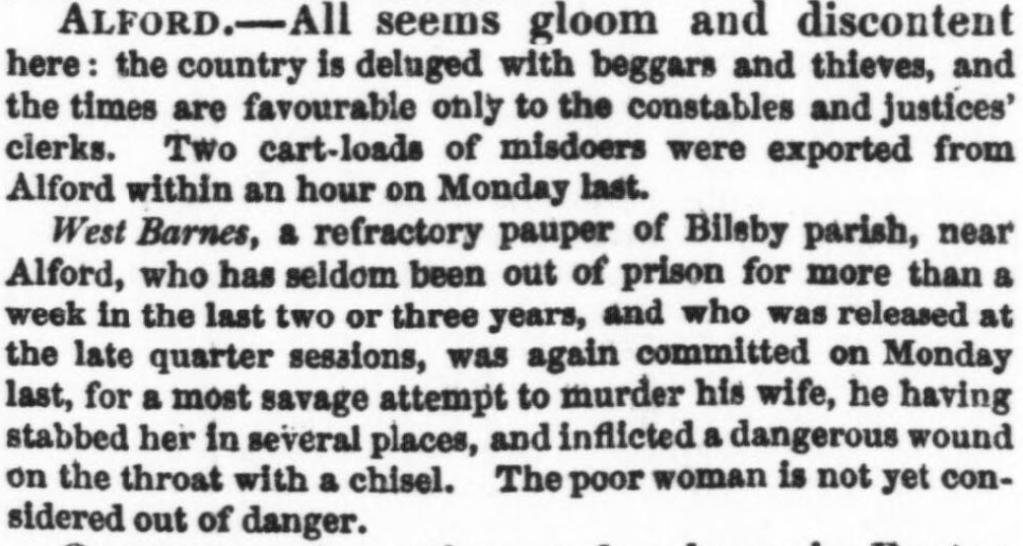
West remained at the castle awaiting trial, on the 3rd March he was listed to attend the assizes the following day alongside John Nicholson , the disgraced Alford Postmaster.
The trial revealed more details on Mary’s situation and the night in question:
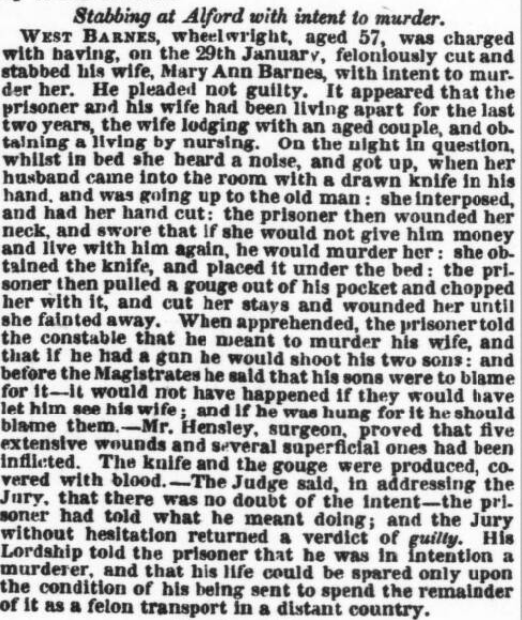
West Barnes was transferred from Lincoln Castle to the Justitia Hulk on 17th May 1843 to await transportation.
The Barnes were a family divided, West having attacked his wife and threatened two of his sons was about to be removed from their lives. Mary Ann must have felt some relief but she had been unable to protect all of her children.
Young Mary Ann Barnes did not leave the workhouse. She lost her fight for life on 3rd May 1842, her death certificate records that she died from ascites – fluid in the abdomen – likely due to tuberculosis.
On May 12th 1842 the marriage of West Barnes (jnr) to Eliza Johnson both living in Alford formed part of the Spilsby Union notices for the board. The boys had most likely all been apprenticed out via the parish overseers and remained under Union scrutiny. Albert appears to have been determined to follow in his father’s footsteps while several of his brothers were working hard to build better lives. Mary had got away from West but her family had more to face.
Edmund Barnes
In 1841 Edmund (15) was working as a junior blacksmith in Toynton alongside Henry Cavil. Despite having no previous convictions Edmund’s fall from grace was swift and decisive.
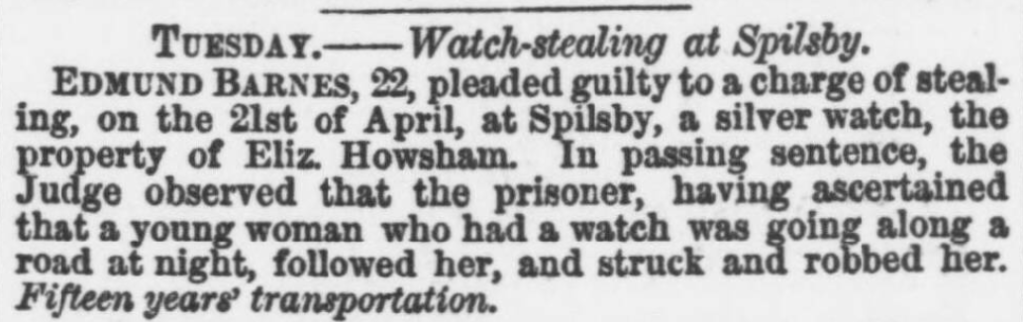
Despite the July 1845 conviction it would be some time before Edmund Barnes reached Van Diemen’s Land.
Part II: The Fate of the Convicts
Thomas Barnes
Courtesy Yale Center for British Art, Paul Mellon Collection
The name Thomas Barnes litters local petty sessions records for setting snares and poaching on Dashwood’s land. In March 1825, aged 28 he found himself held on a charge of highway robbery. Thomas admitted Kings Evidence to obtain his release but within two years he was charged again, this time for sheep stealing. Committed to Lincoln gaol on 11th January 1827, 30 year old Thomas had three children. In March he was sentenced to death, commuted to life, transportation. Ann Chapman Barnes, daughter of Thomas and Frances, was baptised in his absence one month later.
Thomas Barnes arrived at the Chatham Hulks on 7th June, a gaolers report recorded on The Dolphin prison hulk reveals a little more …
A very notorious character; has been in gaol many times; he admitted Kings Evidence in 1825 at the Lent assizes against two accomplices for highway robbery; has several times been in the House of Correction. This imprisonment for felony; belonged to an extensive gang of thieves at Alford.
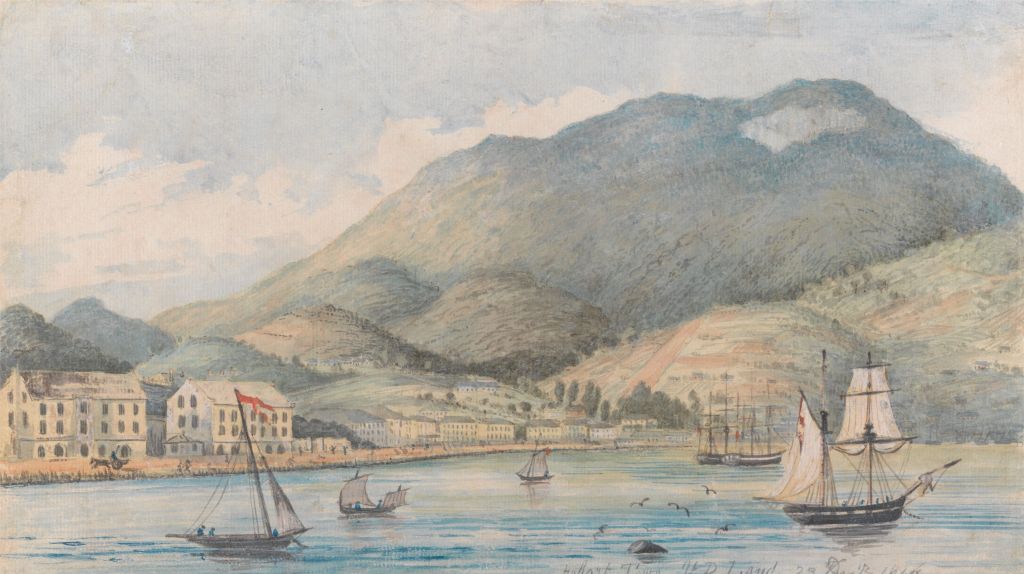
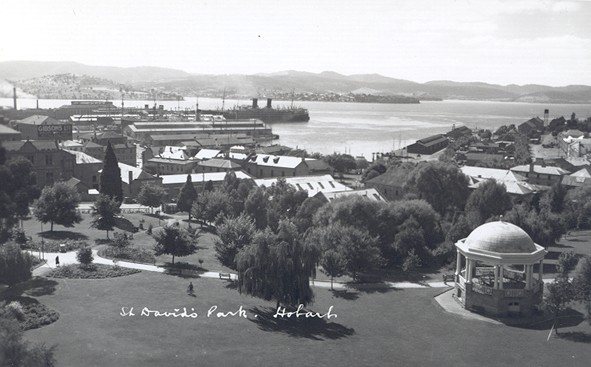
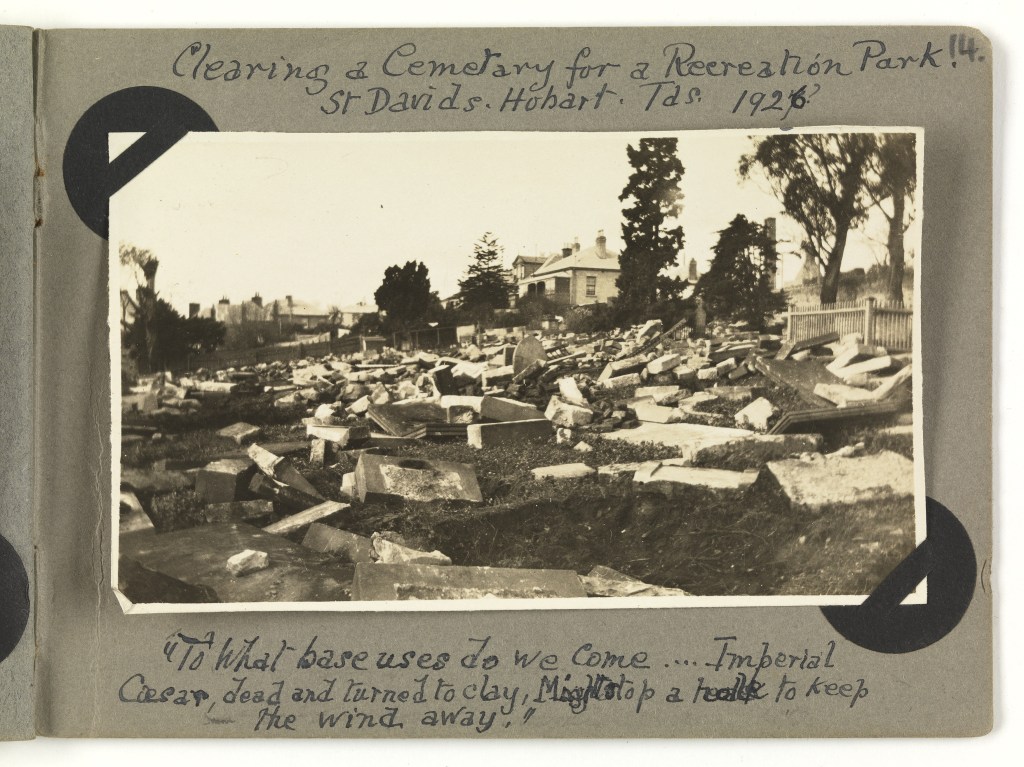
On 25th July 1827 Thomas sailed for New South Wales on The Asia (2), his trade being noted as a ploughman and shepherd, who could shear a flock of 300 sheep in a day. The Asia arrived on 30th November 1827, Thomas survived the long journey aboard a convict ship to die in Hobart hospital just weeks afterwards. He was buried in Hobart cemetery on 27th December 1827. In 1926 the old town cemetery was cleared for a park.
West Barnes
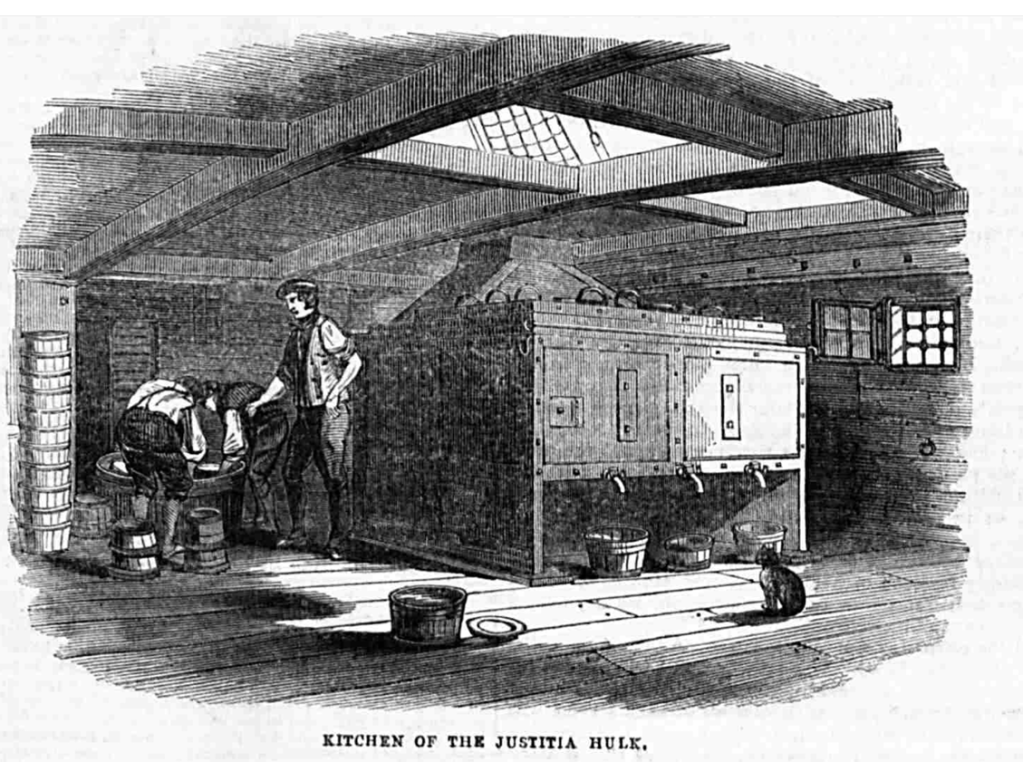
Upon his arrival on The Justitia Hulk West Barnes was recorded as healthy, his age [recorded as 57 at Lincoln castle] was misrecorded as 41.
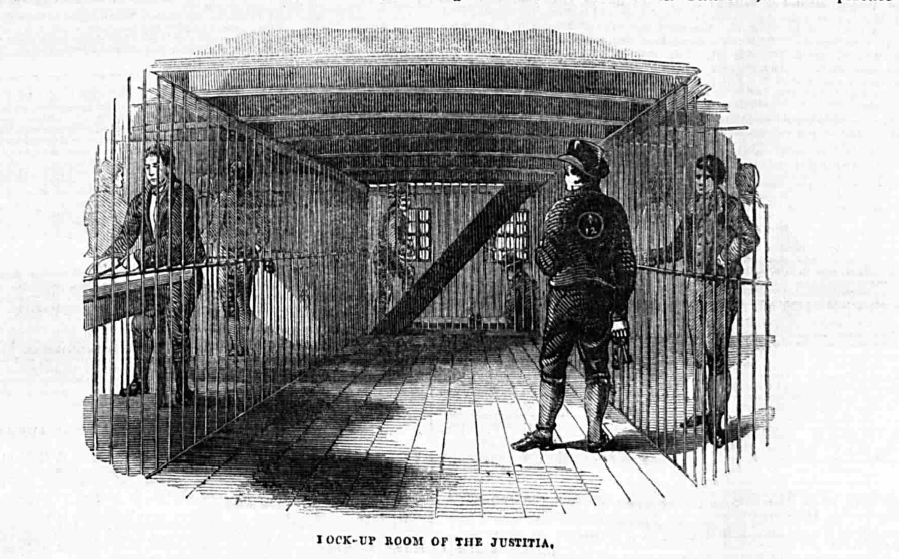
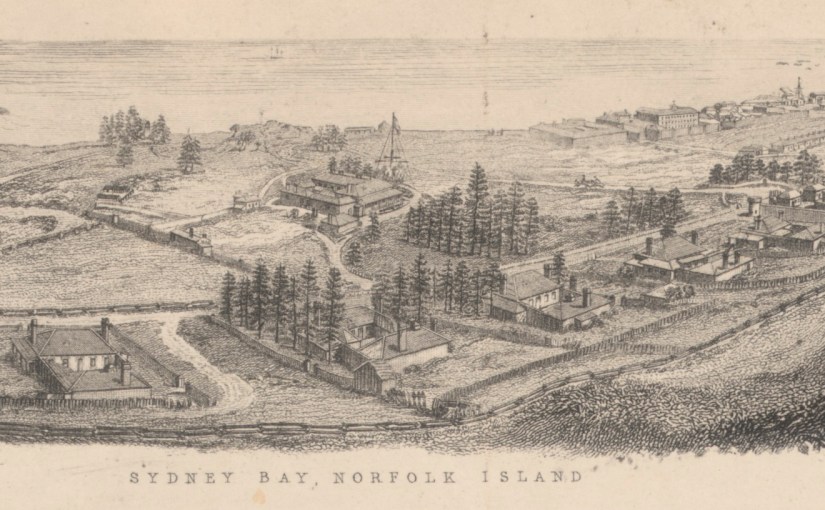
The convict ship The Maitland left Deptford in July 1843 also collecting prisoners from hulks at Woolwich, Chatham and Portsmouth. West Barnes voyage finally began on 1st September sailing with 199 other convicts, the guards being accompanied by wives and children. The journey was broken at Simons Bay on the Cape of Good Hope, 17th Nov. Many were suffering from Synochus, Opthalmia and Scorbutus and two were left behind for treatment. The Maitland paused again at Sydney Cove on 12th Jan 1844. The convicts were finally disembarked and transferred to the notorious penal colony on Norfolk Island on 8th February.
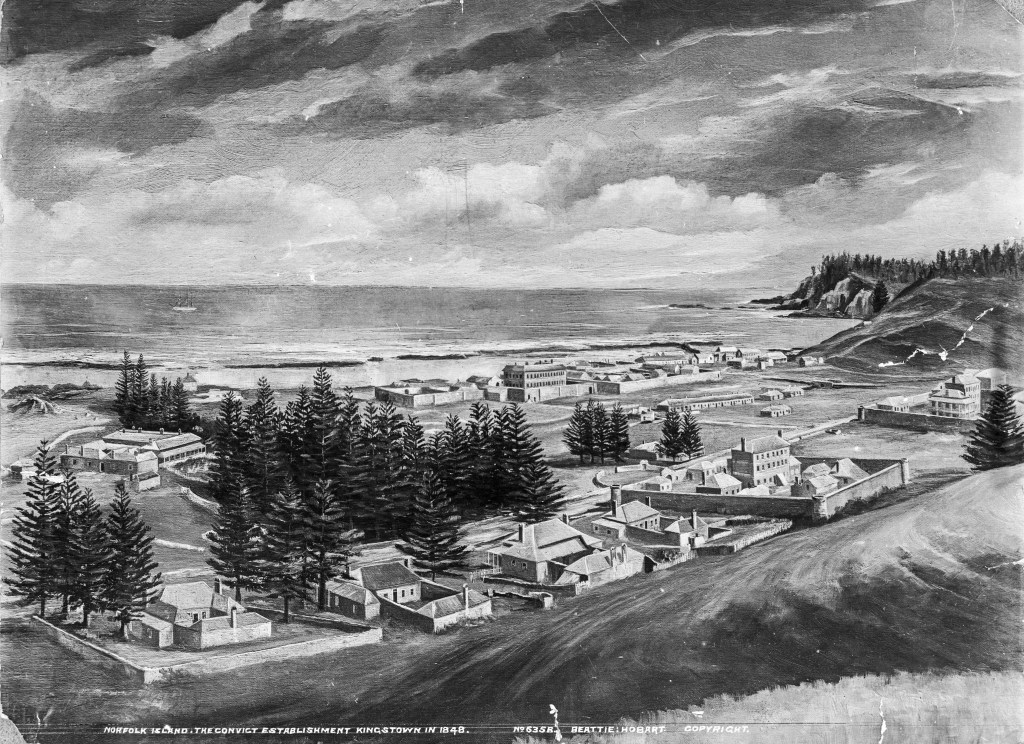
The brutal punishments and harsh conditions on Norfolk Island had resulted in convicts mutinies and riots prior to 1844. Despite investigations, reports and various system changes by the British Government conditions remained dire. In 1844 Reverend Naylor and Robert Pringle Stuart, a magistrate, wrote to authorities in London stating that conditions on the island were so bad that anarchy was likely. Riots took place again in 1846.
West Barnes’ records show him arriving at Norfolk Island on 8th February 1844 but scant information exists beyond that. Various notes on his records suggest his fate:
- Ships’Surgeon report: of unsound mind
- sent to lunatic asylum at Sydney – no date – notification dated 8th Aug 1849, with death certificate.
- struck off strength 31th December 1853
There are also reports of an unnamed 60 year old convict with mania aboard ship being sent directly to Sydney Asylum. The exact details of West Barnes demise cannot be substantiated at the moment but are being pursued. At this stage, suffice to say, it seems likely that he ended his days in an asylum in Sydney, Australia.
Albert Barnes
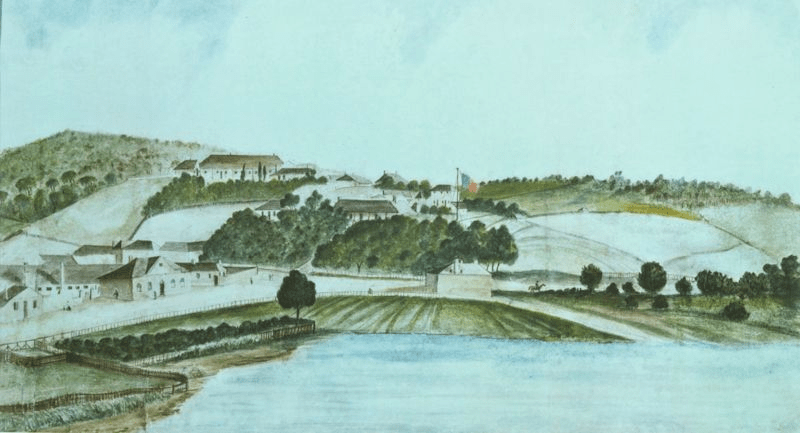
Albert Barnes sailed for Van Diemens Land on the convict ship The Sir Robert Peel, leaving England on 9th September 1844, close to one year after his father.
The surgeon noted five cases of cholera on board, one fatal in the child of a guard. ten cases of synochal fever were also reported to be exclusively among the guards families, “depending on their indolent and untidy habits … [their beds] being converted into recepticles for filth”. Ships surgeons received additional pay for keeping the convicts alive, their annoyance at the slovenly behaviour of guards is often remarked upon in this and other ship diaries.
Albert arrived on 26th december 1844, on 25th January 1845 he was sent to Impression Bay. Albert’s record is peppered with notes regarding his misconduct and related punishments, often solitary confinement and sentences of hard labour.
- Disorderly
- absent without leave, frequently for several days at a time
- indecent laughter in a public street
- refusing to work
- disobeying orders
- visiting a public house on a Sunday
- drunk, out after hours and disturbing the peace
In December 1851 Albert was granted a ticket of leave, only to have it revoked for bad behaviour in November 1853. In July 1854 having served his 10 year sentence Albert Barnes gained his ticket of freedom. A final note reveals that Albert’s records were sent to the Inspector of Police in Sydney, April 1868.
The probation colony had done little to rehabilitate Albert Barnes.
CC BY 2.0, https://commons.wikimedia.org/w/index.php?curid=10571558
On 25th April 1868 the Bathurst Circuit Court opened with the trial of Albert Barnes for murder.
[The Crown prosecutor] said a barbarous murder had been committed by somebody. The body had been found near Hassan’s Walls, and after the jury had heard the evidence they would not have a shadow of a doubt that the prisoner committed the murder. The deceased was an old man, and had been in the Benevolent Asylum at Liverpool. The deceased and the prisoner left that establishment together, and, journey by journey, stage by stage, and step by step, they would be traced to the spot where the murder was perpetrated. It would appear that the old man had been a benefactor of the prisoner, as he had money and the prisoner had none. It would appear also that the murdered man had paid all the expenses on the road, and the prisoner knew the old man had money. Bathurst Times, April 28
The Liverpool Benevolent Asylum was under colonial control to provide a place of refuge for the infirm and destitute, particularly to relieve Sydney.
The newspaper proceeds to report extensive testimony from police and witnesses who knew the victim James casey and the prisoner, Albert Barnes. Their route to the area of the murder together was substantiated, along with Barnes sole return after the event and his sudden wealth.
Jane Kitt deposed : I am employed at the Weatherboard public-house ; I saw the prisoner there on the Wednesday after St. Patrick’s Day ; he was drinking with others ; I saw him bring a person in and pay for his supper; he also paid for his own food and bed ; he stopped two nights and one whole day ; he was drunk all the time he was at the Weatherboard. Bathurst Times, April 28
Thomas Symons deposed : I know the prisoner ; I saw him at the public house at Blackheath, but I cannot, say whether it was before or after St Patrick’s Day ; he was going towards Sydney; I got a person to give him a lift towards the Weatherboard, and lifted him into the vehicle; the prisoner changed a sovereign, and spent, what I thought to be, a good deal of money for a man of his class ; be treated everybody who came into the house. Bathurst Times, April 28
In 1844 Albert Barnes was sentenced to transportation to the end of the earth, twenty four years later he stood on trial there for the murder of a man known to have looked after him, money being his most likely motive. By the time Barnes left the Liverpool asylum he required crutches and the marks left alongside the murder victim’s body were said to be a match for the marks he left when walking.
After a summary by the judge the jury, after a short deliberation, returned a guilty verdict.
His Honor said, that the prisoner had been found guilty on the clearest evidence, and proceeded to pass sentence of death in the usual solemn manner. The prisoner seemed wholly unmoved, and after receiving sentence, hobbled out of the Court on his crutches. Bathurst Times, April 28
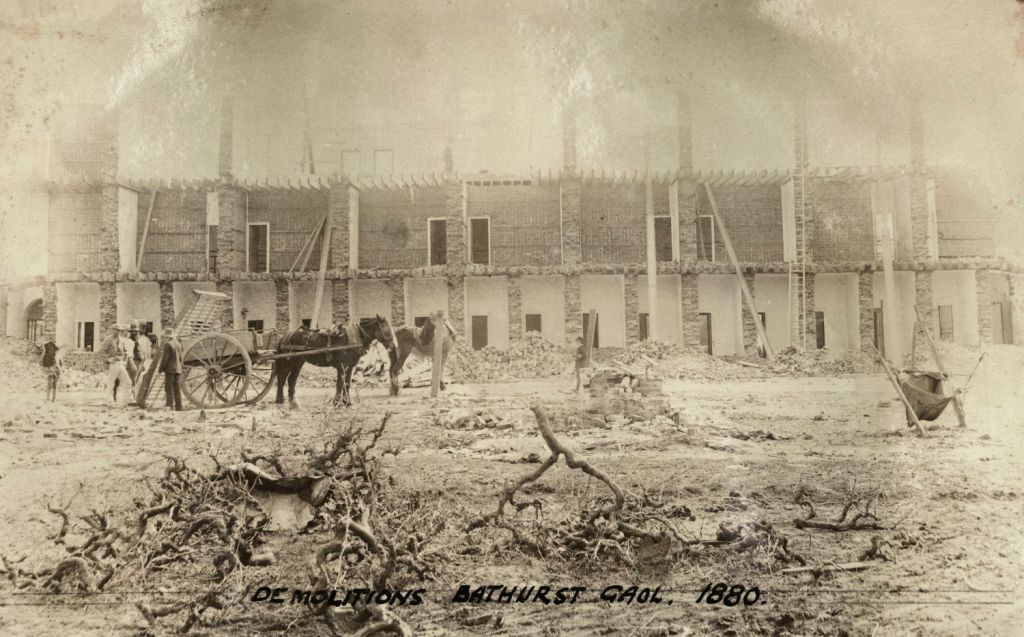
On 27th May 1868 Albert Barnes was hanged for the murder of his one time friend at Bathurst Gaol. The gaol was demolished in 1880.
Edmund Barnes
Courtesy Yale Center for British Art, Paul Mellon Collection
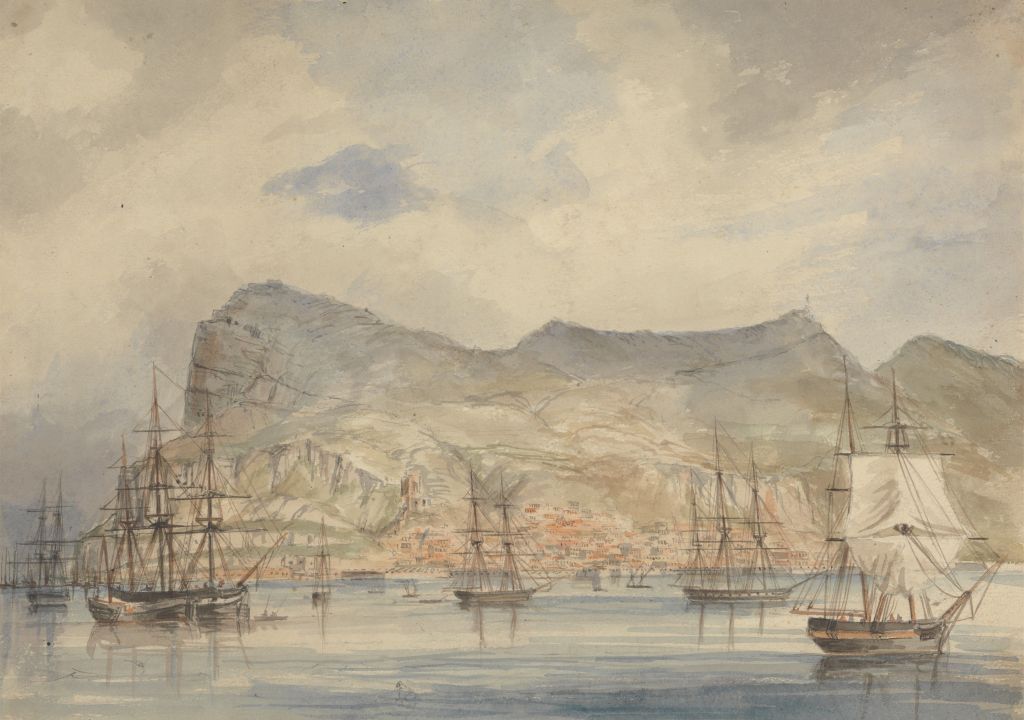
In 1845 Edmund Barnes was sentenced to transportation for robbery with violence, he was 22 years old, the same age as his brother Albert when he was sentenced in July 1845, one year after his brother. The following November Edmund left Plymouth on the convict ship The Asia arriving in Gibraltar on the 6th December, the prison hulk Europa would be his place of confinement for the next five years.
The convicts provided the hard labour in the dockyards and were employed building houses for imperial requirements. Frequently working alongside the Navy there are reports that they occasionally received the same daily allowance of grog when working up to their waist in water all day constructing docks. Discipline was harsh, one convict had murdered an overseer in May 1845 so it may be expected that the regime was particularly tight upon Edmund’s arrival.
He eventually left for Van Diemens Land on The Cornwall in March 1851, his character reference on the Ganymede prison hulk stated that Edmund Barnes previous behaviour had been very bad, while reports from Gibraltar reflected good conduct.
May 31st to June 12th 1851 27 year old Barnes appeared on the sick list of the Cornwall for Vulnus (wound) during the voyage from Gibraltar to Van Diemens Land. The surgeon’s report reveals a fall from the prison hatchway into the ships hold wounding the eyebrow area and the scalp.
Edmund Barnes records reflect some misconduct and drunkenness but he fared better than the rest of his family, allowed a ticket of leave in August 1854. In July 1855 Edmund received a conditional pardon, he married Margaret McCrane, a free woman, on 18th of that month and was finally discharged 8th March 1857.
Mary Ann Barnes had lost three of the men in her life to transportation, her husband West in 1843, Albert in 1844 and Edmund in 1845. She had given birth to ten children those who remained behind also deserve some attention.
Part III: The Fate of Those Left Behind
Martin Barnes
Martin Barnes, first born of West and Mary Ann, appears to have been as successful a man as his father was a criminal one. Martin married Ann Anderson of Saleby in 1838 the couple lived in the East End of Alford, Martin worked as a carpenter. Three years later the couple were living in Alford Market Place with their two young daughters, Martin’s occupation was that of a broker. As the years moved on various directories, the census and baptism records chart the rise of the family. They moved into South End, South Street and then Hamilton Place. Martins’ work progressed from a carpenter to a furniture broker employing an apprentice. He later incorporated the manufacture of weighing machines. By 1891 the couple had lived in Hamilton Place in retirement for over ten years. Their family had good education and good employment. The Spilsby Union board summoned Martin Barnes before a magistrate in 1849 to show why he did not contribute to his mother’s support as she was chargeable to the parish. In 1871 a similar request was made, both instances were later marked “no further action” but as yet I have not found a record of Martin’s response.The 1891 census recorded Martin and Ann in Hamilton Place living next door to their son William Barnes – a solicitors clerk – along with his wife and seven children. Martin Barnes died in 1894, a successful man with a successful family. A large gravestone marking his burial place can be found in Alford cemetery.
Ann Barnes
In June 1836 West Barnes was present at the wedding of his elder daughter Ann. Her husband Dover Place was from Aby, an agricultural labourer he had served time for poaching in September 1835 and appeared on a local sessions lists at the same time as West Barnes. Dover was on a Louth list and West a Spilsby one, their sentences overlapped and they may have served time in prison together.
By February 1846 Ann and Dover had 3 children, the family were in Louth Workhouse. The Union granted permission of leave to Dover in order that he could go to Alford to be sworn as to his place of settlement. His family were not allowed to leave until this was resolved. In January 1847 Melissa was born to Ann and Dover in South Reston but 1848 was not kind to the family. At just over a year old Melissa lost her life at Broadbank in Louth, a nurse was present and registered the death. Ann followed her daughter in late April that year, Ann lost her life to typhus, she died at home in South Reston. Dover continued to bring up St. John, Mary Ann and Susannah with the help of his sister.
West Barnes (Junior)
In 1841 Mary was living with West (Jnr) in Alford, listed as a coachmaker which raises the question whether or not he was one of the two sons that West (Snr) claimed he would have killed had they been with their mother when he attacked her.
The following year the young coachmaker married Eliza Johnson of Alford, 11 years his senior. The couple lived in the South end of Alford, initially with Eliza’s father Jeremiah, her step-mother Ann and his grandaughter Eliza. Jeremiah was a retired carpenter, the young Eliza was born in Wrangle her mother was recorded as Hephzibah Johnson. West appears to have led a quiet life without children in the South End. He died in 1877 aged 60, newspaper notices of his death still referred to him as a coachmaker. The younger Eliza- later widow Eliza Boultsby – was just seven years old when West Barnes married into the family she was his sole heir.
John Barnes
John Barnes married Sabrina Hewson of Alford in 1845, he had already left the area and was working as a machine maker in Kingston upon Hull. By the age of 42 John had specialised as a railway waggon builder. The family had travelled widely as attested by the birthplaces of his children in 1861:
Eliza (12) Rugby, Sabrina (10) Camden Town, John Hewson (7) Bletchley, Ann (4) Long Eaton and William (1) Sandiacres.
By 1881 his sons John Hewson and William had joined him in his role at Langley Mill, both John and his elder son John Hewson having the role of foreman. John Barnes died in 1882 at Langley Mill, Robert Pender a founder member of GR Turner manufacturing at Langley mill is listed as his executor on John Barnes probate records.
William Barnes
The whereabouts of William prior to his marriage to Ann has been hard to pin down. Baptised in 1825 when his father first began to leave his family William is likely to have been apprenticed out by the parish from a young age. In 1849 he married Ann Chapman of Somercotes, daughter of farmer Edward Chapman and his second wife Susannah. Like West Junior their marriage was also announced to the Spilsby Union Board.
The couple were living in Skendleby in 1851, William recorded as a labourer. They had returned to Saleby by 1852, Ann remained at Saleby bringing up their children, William worked as a machine man and travelled the countryside. In 1861 he was working at Great Steeping, Ann had a house servant to help manage their 5 children, they went on to have another four children.
Ann died in 1884 aged 55 she had been diagnosed with heart disease some years previously, Lucy was present at her death. William was recorded as a threshing machine proprietor, he died in late April 1888 aged 62. The circumstances of his death were widely reported in detail and are summarised below.
The Inquest was held at Saleby for threshing machine owner William Barnes
William had met Henry Raithby, a Mablethorpe farmer, in the Anchor Inn at Alford. Raithby, having missed his Mablethorpe train in Louth, had taken the Alford tain but was now preparing to walk home. William Barnes subsequently conveyed Raithby to his home at Mablethorpe, stopping for a “glass of beer” at the Crown Inn at Maltby enroute. Having alighted from the trap at his home Henry Raithby turned to thank his friend but found that William had fallen out. Mr Raithby’s son Billy drove him back to his home in Saleby but William was found to be dead upon arrival.
Henry Raithby swore that he had only seen William have two glasses of beer while in his presence and the deceased had not been drunk. The cart was high and the seat had been slipping. Billy knew William Barnes well and swore that he had moaned somewhat on the journey home, raising his hand to his head.
Edward Barnes met the trap but his father was found to be dead. Dr Bosson of Alford testified that the post mortem indicated death caused by concussion from the fall, there was no external fracture. He also indicated that had William been treated immediately in Mablethorpe he may have been saved. Henry Raithby admitted that he had regretted not having William seen at his own home.
The jury ruled accidental death.
George Barnes
George Barnes was living with his brother West (Jnr) and his mother in 1841. Unlike his siblings the 14 year old boy seems to have escaped the workhouse and apprenticeship at that point. In 1851 the census captured him working as a groom at Haugh. He married Mary Ann Maidens from Sutton in 1852, they lost their first born son in December of 1853, burying the baby on Christmas day when he was just a week old.
By 1861 the couple had three children, Mary Ann stayed at home in Markby, a grocers wife, while George worked where he was needed, the same census captured him at Fulletby. Agricultural Society reports in the 1870s frequently included George among the list of prize winners for shearing, and thatching. Occupied as a grocer and a labourer with 7 children living at Markby the following ten years led to an increase in shops and the addition of a Post office at Markby. Mary Ann ran the Post office, their son Richard (13) was the post boy.
In 1901 George , Mary Ann and their youngest daughter Harriet were recorded at the post office in Markby. George , now 71 years old, was the Sub-postmaster and a thatcher Harriet ran the shop and grocery business, working on her own account. George passed away in 1906, his daughter and wife continued at the Post office.
In 1958 a long write up appeared in the Louth Standard referencing Mr William Eastgate of Markby, who at 88 they suspected was the oldest sub-postmaster in the country. William Eastgate had married Harriet in 1904, in 1911 he remained a cottage farmer and she ran the Post Office.
Elias Barnes
Unlike his poor sister, Mary Ann, Elias survived Spilsby workhouse he did not remain in Lincolnshire and by 1861 was lodging as a journeyman joiner in Hull. A couple of years later he married Eliza Ann Burrill, the daughter of a coachsmith there. The couple remained in Hull with their growing family, by 1881 they had six children, three boys and three girls, two of the boys had followed their father working as joiners by 1891. Elias died in August 1893 he did not quite reach 60 years of age.
Elias and Eliza had returned to Alford for the census in 1871 with two of their [then] three children. They are recorded at the home of Mary Anne Barnes, mother to Elias, who had been living in the Almshouses at Alford for over twenty years. Having lost so much it is nice to see confirmation that Mary saw some family.
Mary Ann Barnes died in 1876, she was buried in Alford on February 2nd aged 83. Thirty three years following his conviction and transportation for her attempted murder the newspapers still reported her death as that of Mary Barnes, wife of West Barnes, how disappointing.
Part IV: Additional notes for those researching the Barnes Family
The Parentage of Thomas and West Barnes
In relation to Thomas and West Barnes it is possible that they could be the children of William and Jane Baines ( Barnes ) of Bilsby. This couple were paupers married in 1779 in Saleby and both recorded as “of this parish“. Jane’s maiden name was West. They had a son Thomas baptised in Bilsby in 1796 and buried a child called West in 1790, families often used the same name for later children. I have been unable to find a baptism record for West. William appears in the Alford Petty sessions records on more than one occasion for “ill using his wife”.
There are some anomolies here though. When Thomas married Frances Chapman (1816 in Bilsby) his parish was recorded to be Belchford, later prison records show Bilsby as his place of birth. When West married Mary Ann (1812 in Tetford ) his parish was recorded to be Tetford. I have spent some time trawling through original baptism and burial records for all of these parishes but I cannot substantiate any of it.
The descendants of West and Mary Ann
Researching the details of this family has involved quite a bit of family history research on some families. The idea being to see how those who remained in the care of the parish had fared. The information gathered during this process is below for those who are interested. These should not be treated as a full and comprehensive details – although some are – of each family as full baptism and burial records have only been consulted where relevant to this post. The lists below have been compiled from source documents, and may differ from publicly posted family trees where inadvertent errors quickly become widely repeated. Dates are primarily baptism and burial rather than birth and death.
Martin Barnes
The years below are approx. year of birth from various census returns
Maria 1839, Ann 1841, John 1843, Joseph 1845 William 1847, Jesse 1850, Jane 1852,
Frederick 1859
Ann Barnes ( Place)
- 1838 St John bapt Woodthorpe
- 1840 Mary Ann bapt. Aby
- 1843 Susannah bapt. Aby
- 1847 Melissa Place – died in Louth 1 year old.
West (Jnr)
None identified
John Barnes
Ages as per the 1861 Census)
- Eliza (12) Rugby,
- Sabrina (10) Camden Town,
- John Hewson (7) Bletchley,
- Ann (4) Long Eaton
- William (1) Sandiacres
Herbert / Albert Barnes None identified to date
Edmund / Edward Barnes None identified to date
William Barnes
All baptised in Saleby
- 1852 Lucy Ann
- 1854 John
- 1855 Edward
- 1859 Elizabeth
- 1859 Susannah (baptised at around 12 months)
- 1861 Mary
- 1864 Rebecca
- 1867 Sarah Annie
- 1869 William
George Barnes
- 1853 George Barnes – buried a week later 25th December 1853 – Alford
- 1855 Mary Ann – Hannah
- 1857 Thomas Edmund – Hannah
- 1860 Elizabeth – Markby
- 1863 George Albert – Markby
- 1865 John Maidens – Markby
- 1867 Richard West – Markby
- 1869 Harriet Helena – Markby
Mary Ann Barnes None
Elias Barnes
ages as per 1881 census
- Walter (16)
- George (14)
- Mary (12)
- Arthur (9)
- Ann Elizabeth (6)
- Ethel Maud (4)
Markby Post Office 1958: The Oldest Sub-Postmaster in the Country ?
The village of Markby, four miles from Alford and about three miles from Sutton on Sea, population just under 100 has two outstanding features; namely its thatched church, one of the very few remaining in the country, and 88 year old Mr William Eastgate, who is probably the oldest sub-Postmaster in the country. Markby has two churches but only one village shop.
The shop, built as a private house is a tiny affair which if three people went in together would be crowded. As you enter a bell is attached to a spring heralds your arrival. The bell is almost as old as the shop. It suggests more leisurely days; in fact as you enter you have a feeling that you are disturbing another generation, for time and progress has little place in Markby.
… First to catch the eye are a number of cycle tyres and tubes, bottles of sweets, mending wools, Spanish pickled onions, torch batteries, eggs, ink, soap powders, tinned fruit and balls of string; they all seem to go with the bell.
This is a sub-post office where you can buy stamps, registered letters, insurance stamps, savings certficates but not a dog licence.
… it has been in the occupation of two families for well over 100 years, starting with Mr George Barnes who carried on until he was a great age. His [daughter Harriet] succeeded him on his death and she was postmistress till her death in 1915.
It is now time to meet the present sub-postmaster, Mr William Eastgate, whom I met in a little room behind the shop. Since the age of 65 he has been a victim of rheumatism and gets about by means of a two wheeled chair … but he is very alert with a raquish twinkle in his eyes and still does all the clerical work connected with the job.
The shop business is done by his housekeeper, a niece, Miss Lizzie Muir who is over 70 and has been with him for the past 16 years. She is a member of the Brown family of Hagnaby whose history can be traced back for 500 years. She has an infectious laugh and enjoys life.
[William was born in Kirton, his family had moved to Hagnaby as William’s father worked for Mr Fitzallan Howard of Spalding, who also owned Abbey Farm at Hagnaby]
… William married Miss Harriet Barnes, youngest daughter of Mr George Barnes of Markby PO. [His] first introduction to postal work was as a letter carrier delivering to Markby, Hagnaby and Hannah for which he received 4s 6d. a week. Later he delivered on Thursdays and Fridays at Asserby for which he received sixpence extra.
[William] has retained the post for the last 43 years [since Harriet died]. For a long time he farmed 16 acres [and] looked after Mr Howard’s cattle which he would drive to Mablethorpe where they were entrained for Louth Market. … In 1920 Mr Eastgate married again , his bride being Miss Kate Brown, she died in 1942.
Letters are now delivered from Alford which is the nearest money order and telegraph office. The little bell in [Markby PO] rings for as little as a 2d stamp and in the back … sits William Eastgate with his memories. Louth Standard & Advertiser May 23rd 1958
Albert Barnes Murder Trial – The Full Trial Report
BATHURST CIRCUIT COURT. Sat 25th April 1868 MURDER.
Albert Barnes, who pleaded not guilty on Thursday to an indictment charging him with the wilful murder of James Casey, was again placed in the dock. Mr. Manning, instructed by Mr. M’Intosh (who had been assigned for the defence), appeared for the prisoner.
Mr. Butler opened the case for the Crown. He said a barbarous murder had been committed by somebody. The body had been found near Hassan’s Walls, and after the jury had heard the evidence they would not have a shadow of a doubt that the prisoner committed the murder. The deceased was an old man, and had been in the Benevolent Asylum at Liverpool. The deceased and the prisoner left that establishment together, and, journey by journey, stage by stage, and step by step, they would be traced to the spot where the murder was perpetrated. It would appear that the old man had been a benefactor of the prisoner, as he had money and the prisoner had none. It would appear also that the murdered man had paid all the expenses on the road, and the prisoner knew the old man had money.
When the prisoner was apprehended he at first said he had never been at Bowenfels: but subsequently acknowledged he had been there. In the neighbourhood of the place where the body was found, there were marks as if made by crutches. (The prisoner walks with crutches.) The prisoner was subsequently seen returning towards Sydney, and squandering money. It was known that when he left the Asylum he had no money.
John Ferris deposed : I am a constable ; I apprehended the prisoner on the evening of 27th March, about half a mile from Parramatta; I charged him with committing a murder on Casey; I warned him in the usual way, and he said he had never been at Hartley, Bowenfels, or Penrith ; on the way to the lock-up prisoner said, without asking, ‘I have been at Bowenfeld.’ 1 noticed that he had no undershirt on; I asked him where it was, and he told me he had thrown it away ; I asked him where, and he said, ‘find out ; ‘ when I got him to the watchhouse, at Parramatta; I found upon him a knife, pipe, comb, and a small bag ; I also found the handkerchief produced upon his neck ; there are marks of blood upon it ; on taking the prisoner to Hartley, he said he was very cold and wished he had his undershirt on ; I again asked him what be had done with it, and he said he had thrown it away between South Creek and Penrith.
Charles Sykee deposed : I am a constable; I received information respecting a murder, in consequence of which I went to the spot, where I found the dead body ; it was at Hassan’s Walls, about 270 feet from the Bathurst Road, not far from a small public house at the top of the hill. The body was covered over with two pieces of calico lightly sewed together. I removed the calico, and found the body of an aged man; the throat was cut from the left side down towards the breast-bone ; he was dressed in a dark coat, tweed vest; and checked trousers ; there was a razor lying there covered with blood; there were two fingers missing on the left-hand ; I found also a shingling hammer with blood and grey hair upon it there were several wounds on the head ; the body was seen by several persons ; there was a quantity of clothing found also by the body ; I left the clothing for a short time with Mrs. Riddle, and that was the only time they were out of my possession ; I did not find any tracks ; I had not heard of any person being suspected when the body was found ; I did not observe any tracks at that time.
Cross-examined: A man named William Emblem was with me when I went to the body; I saw no tracks at the time ; there had been several people there before I went to take charge of the body.
Agnes Riddle deposed: I live at Hassan’s Walls; I remember constable Sykes leaving with me a quantity of clothes; I kept them until they were taken away by constable Moloney the same night.
Andrew Maloney deposed : I am sergeant of police ; I went to the place where the body was found ; I went on the 21st of the month; I went with a man named Russell who showed me where the body was found; I got the clothing produced from Mrs Riddle; the stick produced was picked up subsequently end put with the clothes ; I observed that there were two fingers missing front the left hand of the body of the murdered man ; after the inquest was over on that day I went home; on the 1st of the present month, I went to the spot where the body was found, with a black barker, and we found tracks apparently made by the points of sticks or crutches ; they were pointed out to me by the black tracker ; the ground was hard and the marks were as if the end of a stick had been pressed upon the ground, the first marks we saw were about five yards from where the body was lying; there were two indentations about eighteen inches apart ; about twenty yards further on, we found another back of the same sort ; about forty yards further on, we saw another, further on we saw several of these indentations, some of them were fifteen inches apart, and some eighteen inches ; all the tracks were apparently in one line as if a person had been walking on crutches ; there were backs also in a watercourse, and one on the bank about a foot high ; the stick seemed to have slipped about six inches : about twenty yards further on, I found two more tracks, and further on several of them ; the tracks then took the direction of the main road, and again turned towards the old road ; this was about 200 yards from the body; in the same direction about 300 yards from the body, we found two other tracks about nine or ten yards from the old road, but after that we could find no more ; on Sunday the 5th of this month, I saw the prisoner walking in the Courthouse yard, at Hartley ; I measured the distance between the impressions of the crutches and found them to vary from sixteen to eighteen inches apart ; they correspond with the tracks near the body ; there had been two fires at the camp near where the body was found ; there was room for two or more in the camp ; it was a small enclosed place in the bush.
Cross-examined by Mr. Manning : There was no other tracks in the opposite direction ; the body was found on the 21st March, and the tracks were found on the 1st April ; the ground was very hard, and the tracks were very feint ; there had been a great many persons about the scene of the murder.
Charles Sanderson deposed : I am a sub-inspector of police ; I was present with the last witness and a black tracker when searching for tracks ; I saw several tracks as if made by a person walking with sticks or crutches ; but the tracks that were the most distinct were six indentations in a watercourse, as if of three paces made by a pair of crutches ; they were very distinct. There was one mark where it appears as if one of the crutches had slipped down the bank of the watercourse ; I saw the body of the [victim] exhumed, and saw that there were two fingers short on the left hand.
Daniel O’ Hara deposed : I am a duly qualified medical practitioner ; I live at Bowenfels ; I examined a body at Hassan’s Walls ; the body was lying with its head towards the new road ; there was a wound on the throat which originally had been an incised wound, but it was much destroyed by flies and larva: all the blood vessels had been severed, and the larynx and trachea also ; it was such a wound as might be produced by a razor ; there was also a wound on the front of the head, which, upon examination, I discovered had been inflicted during life ; on the back of the head there were three wounds made as if by a flat instrument; a shingling hammer was shown to me, and the wounds corresponded exactly ; there were scalp and hair adhering to the hammer ; on the occipital bone there was another wound which had fractured the skull and reduced it to small particles; a smooth-faced hammer would not have produced the wound, but the rough face of a shingling hammer would have done so ; when the body was exhumed I observed that there were two fingers missing from the left hand ; the two first joints of the index and middle fingers were missing ; it was an old injury.
Cross-examined by Mr. Manning: The wound in the throat was sufficient to cause instantaneous death; it is impossible that the deceased could have received the wounds on the head by a full.
Michael Clean deposed : I was recently at the asylum at Liverpool ; I knew the prisoner there ; I knew Casey there ; they left the institution together; they neither of them returned aftenvards ; Casey had lost the two first fingers – of the left hand ; on the 5th April I was taken to Bowenfels, and saw a body exhumed ; it was that of James ‘Casey ; I recognised the dress upon the body as that worn by James Casey when he left the Asylum; the body was also minus two fingers on the left hand ; the hat produced is the identical one worn by Casey when he left the Asylum.
Thomas Behan, a boy about 10 years old, deposed : I live at South Creek; I knew the prisoner ; I saw the prisoner and an old man together about five weeks ago ; the old man was grey headed, and wore a drab hat with a white band round it ; the hat produced is the same ; they were sitting under a willow tree ; the old man asked me to fetch a quart of ale, and he gave me a penny ; he took some money out of a small calico bag ; the bag produced is like the one the old man had ; they went away in the direction of Penrith ; about three weeks after, I saw the prisoner coming back on his crutches ; I asked him where the old man was, and he said he left him at Hartley ; that he had hurt his knee and could not go any farther ; I afterwards saw the prisoner in custody.
Cross-examined by Mr. Manning : I remember the dress of the old man, because he asked me to go for a quart of ale ; there were half-crowns and shillings in the bag the old man had.
By a juror : I fetched the ale in a can.
David John Warboys deposed : I am a bootmaker and live at Penrith ; I know the prisoner ; saw him at my shop with an old man about sixty-five years of age ; the old man bought a pair of boots at my shop ; he had on dark clothes and a light coloured California hat, with a white band round it ; the boots produced are the same that were bought at my shop ; the prisoner bought nothing ; the old man paid for the boots with a half-sovereign which he took out of a calico hag ; I swear the bag produced is the same ; I know it by its peculiar make and broad seam ; I noticed the old man had two fingers short on the left hand ; the old man had more money in the bag ; when they were in my shop I saw that the old man had a very peculiar iron handled knife ; the knife produced is the same ; I will swear to it from the peculiar make ; I saw the body ex humed—it was that of the old man; I can swear to it [matching ] the dress and the two missing fingers.
Thomas Gell sworn : I five at One-tree Hill ; I saw the prisoner and Old Jemmy at my place on the 15th March ; in the morning Old Jemmy paid my old woman eight shillings for himself and the prisoner for their food and lodging ; Old Jemmy and I had been old mates, and I asked him, in the presence of the prisoner, if he had made away with the £30 he got at Booth’s, and he said no, he had kept it in reserve as he might want it; I believe the coat produced is one sold to him by my wife; it was one I used to wear ; they used to call me ‘ Doctor Dodd ‘ in it, and I wanted to get rid of it.
Eliza Gell deposed: Old Jemmy was at my place on the 16th March with the prisoner ; he bought a coat of me ; I believe the one produced is the same; Jemmy gave me a pound note, and I gave him half a sovereign in change; Jemmy had other money in notes; I don’t know how much ; Old Jemmy and the prisoner went away together on the following day ; I saw the prisoner coming back alone, from the direction of Hartley a day or so after.
Eliza Gilbert deposed : I live with sister at Little Hartley ; she keeps a shop ; I remember selling a shingling hammer to an elderly man on the 16th March ; I cannot swear to the prisoner as being with the man ; I know the day, because it was the day before St. Patrick’s day ; another female was present when I sold the hammer ; the person who bought it asked for a tomahawk first, but we had none.
Mary Simpson deposed : I was present when an old man came to Gilbert’s store to purchase a shingling hammer; he asked first for a tomahawk; the prisoner was with him; he was walking on crutches ; the prisoner carried the hammer so they went away : I saw the body exhumed ; it was the same person as was with the prisoner.
John Lewis deposed ; I am a labourer, and work upon the main road ; I know the prisoner; I saw him on the 16th March, on the road with an old man, who walked rather lame. The old man was stoutish, and wore a light California hat with a white string round it ; the old man and the prisoner were going towards Bowenfels : on the following day I saw the prisoner alone, coming from the direction of Bowenfels towards Sydney.
Jacob Russell deposed : I keep public house at Black man’s Gap, about two and a half miles from Big Hartley, and five miles from Little Hartley ; It is about three quarters of a mile from where the body was found ; I saw the prisoner at my house on the 16th March ; he came and asked if I had any colonial ale ; three days after that I passed by where the body was subsequently found ; I saw what I thought was a man asleep.
William Kelk deposed : I know the prisoner ; I saw him at Hartley ; I was at Jacob Russell’s house an the 16th March, and I saw a man come into the house ; he was on crutches ; I saw an old man outside, with whom I saw the man on crutches speaking; I don’t know whether the prisoner is the same man or not.
Thomas Thompson deposed : I remember hearing of the murder lately ; I live at South Creek ; I know where Jacob Russell’s public house is; I slept there on Monday night : I did not leave the next day, it was St. Patrick’s Day ; I saw that morning, at 7 o’clock, a man on crutches coming from the direction of Bowenfels, on the old road ; I saw the man about a hundred yards from a flat near a shallow gully ; I should not know the man again ; I only noticed the crutches; I was not within a hundred yards of the man.
Constable Moloney, recalled: The flat near where the body was found is half a mile, or less, from Russell’s public-house,
Sarah Prentice deposed : I know the prisoner ; I first saw him on St. Patrick’s Day ; he came to Mr Blackman’s for a drink of water; it was at Little Hartley; he was going in the direction of Sydney ; it was between 11 and 12 o’clock in the day.
Jane Kitt deposed : I am employed at the Weatherboard public-house ; I saw the prisoner there on the Wednesday after St. Patrick’s Day ; he was drinking with others ; I saw him bring a person in and pay for his supper; he also’ paid for his own food and bed ; he stopped two nights and one whole day ; he was drunk all the time he was at the Weatherboard.
Thomas Symons deposed : I know the prisoner ; I saw him at the public house at Blackheath, but I cannot, say whether it was before or after St Patrick’s Day ; he was going towards Sydney; I got a person to give him a lift towards the Weatherboard, and lifted him into the vehicle; the prisoner changed a sovereign, and spent, what I thought to be, a good deal of money for a man of his class ; be treated everybody who came into the house.
This closed the case for the Crown.
Mr. Manning addressed the jury for the defence, simply pointing out the fact that the case was one of purely circumstantial evidence, and impressing upon: them the necessity of tracing out some motive for the crime that had been committed, before they hastily convicted the prisoner.
No matter how suspicious the case might be against him, if ithere was any easonable doubt upon their minds, if there was any link missing in the chain of evidence, it would be the duty of the jury to give the prisoner the benefit of the doubt. He should leave to his Honor the recapitulation of the evidence, so for as it bore, for or against the prisoner ; and the jury, he was sure, would kindly end dispassionately weigh every circumstance in the case, and would not, by any horror they might feel for the crime, overlook any point that might arise in the prisoner’s favour.
His Honor having carefully summed up, the jury, after a short deliberation, returned into Court with a verdict of guilty.
The Clerk of Arraigns having asked the prisoner if he had anything to say why sentence of death should not be passed upon him.
The prisoner said he had nothing to say, but that he knew nothing about the crime.
His Honor said, that the prisoner had been found guilty on the clearest evidence, and proceeded to pass sentence of death in the usual solemn manner.
The prisoner seemed wholly unmoved, and after receiving sentence, hobbled out of the Court on his crutches. Bathurst Times, April 28

