
The serialised version of Smuggling Times and the truth behind the tales
18th Century Smuggling
18th Century levels of smuggling were astounding. War is a costly business, near continual wars throughout this period led to high taxation as the authorities needed to buy weapons and build ships. More men were needed to fight for their country, pressure to recruit was high. As smugglers worked to avoid taxation the legislation increased in a bid to stop them.
Customs and Excise – separate authorities in the early years – officials were supported by men from the Admiralty and militias. Illicit wool exporters risked the gallows. Kent and Sussex were home to the most notorious and brutal gangs of smugglers,their networks were orchestrated by wealthy London financiers hiding in the shadows. In Lincolnshire the same set up applied, smaller in scale but men of money and power were embroiled in the schemes to avoid the King’s Customs and many were connected to the London networks.
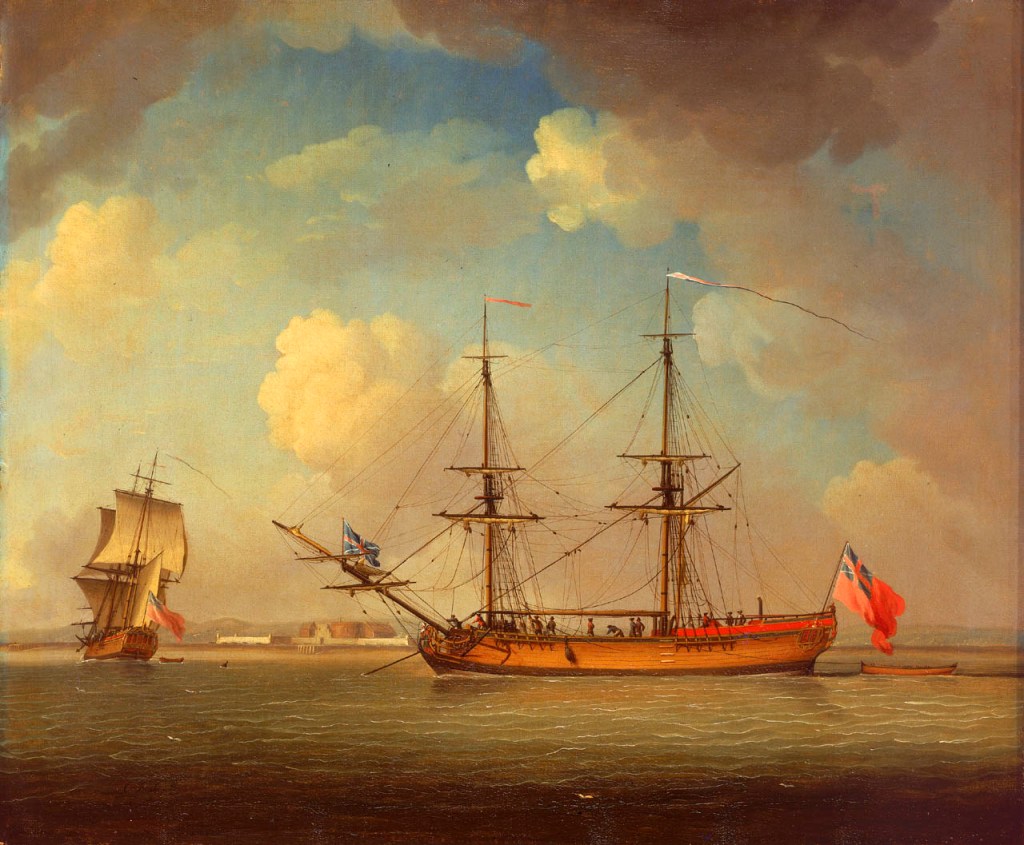
Fractured Government authority delayed decision making and undermined support for the officials working to stop smuggling on the front lines ( the prevention officers). By contrast Government documents reveal successful collaborations between the widespread smuggling networks opposing them. The inhabitants of coastal villages, large ports, and different nations worked as a team to bring the goods in. For example, in 1728, authorities gained 120 pounds income from the sale of a seized vessel. Among the culprits caught in the illicit venture were Anthony Royston of Rotterdam (the Master), Charles Parks of Marshchapel, Nicholas Taylor of Hull ( beer brewer) and James Wright (Mariner).
Foreign Vessels on our shores
In December 1729 Customs’ officials published a report into “The manner of carrying on frauds by the smugglers”. The raft of paperwork contained letters from Customs’ officers at Saltfleet, Anderby and Wainfleet, who reported to Captain John Jewell at Boston. Jewell was the commander of the Customs’ sloop covering the area from the Humber to the Wash, his superiors subsequently reported to the London board at Thames Street.
Throughout the Summer of 1729 French Snows were sitting off the Lincolnshire Coast. Two vessels, each carrying about 30 men with 8 guns, were lying between Saltfleet and Skegness. They were sending goods ashore accompanied by 12 or 14 men armed with pistols and swords. These men would sell brandy and guard their customers into the countryside, threatening to shoot any officer that opposed them. The same vessels were also carrying away wool. Captain Jewell was told that if he opposed them he would be captured, along with his sloop, and taken to France. Mr Jewell reported that … the “country people” are terrified of these men and dare not assist the officers, in short “the French are masters of the coast.”
Signed affadavits from Mr William Stonebanks of Mablethorpe (labourer) and Francis Willerton of Theddlethorpe (gentleman) confirmed that vessels lay off Sutton along with a 24 gun French Ship off Mablethorpe. Armed men were sent ashore offering to sell brandy, cards, prunes and scissors. Captain Edwards of Hull captured one French vessel along with 400 half anchors of Brandy, the crew had provided good information on French operation in Calais.

Four merchants at Calais were fitting out around ten armed vessels of about 40 to 60 tons, which their suppliers then stocked with brandy at their own risk, captured cargoes brought no return. The Snows moved to the English coast remaining within around eight leagues (24 miles) of each other to provide assistance. Another four merchants fitted out two smaller vessels of 30 to 40 tons. They also moved to the English coast to sell contraband but their sailors were paid in brandy as soon as the sales target had been reached. The methods of this outfit were believed to create more violent men as they were expected to resist the King’s men, failure to do so resulted in their immediate discharge.
Customs Commissioners from Thames Street, emphasised that the French vessels were in all manner superior to the English defence. They sought deputations to empower his majesty’s ships (customs vessels) to seize prohibited goods and condemn captured vessels. 49,000 half anchors (245,000 gallons ) of brandy were sold by the French on the Lincolnshire coast annually, in addition to the Dutch doggers who were also great traders. The report concluded that the English needed two 20 gun ships to have any chance of suppressing them. It was 5 years later in 1734 when HM Ship “The Fly” was commissioned to cruise between Flamborough and Yarmouth to prevent the exportation of wool from Lincolnshire and goods being run from France.
Captain Jewell: A Villain or a Coward ?
Custom House spies on the continent reported the loading of illegal cargoes. Detailed information on these and other coastal runs heading for Lincolnshire were passed to Boston but the resulting seizures were pitiful. Boston officers seemed reluctant to be proactive, merely reporting witness interviews taken after landings had occurred. The London solicitor judged the reports corrupt or inconclusive but commissioners knew that large business was being done.

Now under scrutiny Captain Jewell was criticised by the board and accused of making few seizures of minimal value. Boston officials provided affadavits accusing Jewell of embezzling contraband. Captain Jewell was relieved of his command until he produced his own affadavit stating that he had been fired upon when boarding a smuggling sloop; he was quietly reinstated. Further enquiries resulted in reports that Captain Jewell stayed too long ashore, however, Jewell asserted that on the exposed Lincolnshire coast the weather was so rough that it was frequently unsafe to put to sea. His sloop also needed extensive and expensive repairs once a quarter.
In 1735 Boston Collectors were instructed to establish the course taken overland when moving goods from Lincolnshire to London, a troop of dragoons were provided to assist. Operations on the Lincolnshire coast were not restricted to local supply lines.
The following year Thames St. reported to Boston that 3 collier ships were known to have discharged their cargoes and then taken on goods for running, overstowing them with ballast. 20 smuggling galleys each carrying ten men from Kent and Sussex plus five other vessels were all bound for the Lincolnshire coast. In turn Boston notified the board that large runs were being made by armed smugglers. Two sloops were provided by the Admiralty to assist. Captain Jewell had an opportunity to impress his superiors; he immediately began repairs on his vessel, even failing to provide his crew with a watching brief, earning another reprimand.
A mass of detail flowed from London to Boston: English Baltic Traders were moving goods from China to Sweden then running them on the Lincolnshire Coast; a boat was being built in London specifically adapted for running goods, it was to be carried on a laden sloop and used to run goods ashore. List upon list of information regarding goods to be run onto the Lincolnshire coast was provided, large seizures should have been the result but few materialised. Similarly prevention of illicit wool exports were also scarce despite immense wool yields in the County. Bizarrely Jewell still remained in post. In 1740 his repair bills were subject to scrutiny once more. The board’s response was incredulity:
It must be some extraordinary accident which the Captain has not mentioned that could occasion such large bills in so short a time after the sloop being rebuilt. In 1739 she cost the Crown £(l)142 7s a very large sum for so small a vessel and so soon after to require £(l)92 4s 6d for repairs only. They questioned a long list of bills including £(l) 10 charged for sails twice, their response concluded that … as much labour and materials have been charged for one and a half years wear and tear as would almost build the vessel.
Jewell was directed to make his bill more reasonable, he dropped one item and got his money. John Jewell would remain in post for another two years, he then applied for a further grant to repair his sloop. An expert assessor arrived to find him ashore and the vessel requiring no maintenance, he was ordered to put to sea but refused on the grounds that the weather was unsuitable. Captain Jewell was finally dismissed.

As Jewell’s story demonstrates prevention authorities faced adversaries within their ranks, as well as smugglers at home and abroad. These reports focused on the problems with the French Snows but others confirm considerable issues with Dutch Doggers along the Lincolnshire Coast throughout the 18th Century and into the 19th. In particular local newspaper reports from the 1780s confirm that armed foreign vessels continued to plague the whole of the East Coast for the purpose of smuggling.
Hurdman Wilkinson’s stories of Dutchmen selling liquor to Alford inns appear to have substance.

 About Alford
Let’s hope it remembers my password this time, I am enjoying reading about the smuggling. Didn’t realise the French were so active off the Lincolnshire coast.
when does this history of smuggling end? How many parts? Are you proposing to write a book?
There are seven parts to this research which then lead into some new stories from in and Around Alford. I may publish the contents of the site eventually. Publishing online enables me to update research as I learn more