
The serialised version of Smuggling Times and the truth behind the tales
Alford … a small but exceedingly neat little town with a brook running though it, but built in so remote and obscure a place that it is seldom visited by strangers nor does it contain so much as one public building that merits particular attention. Complete English Traveller 1771
A 1784 trade directory reveals that Alford had no less than three surgeons and at least two attorneys at law. Other publications from the time provide further information on premises central to the town including: tallow chandlers, milliners, grocers, drapers, shoe makers, coal merchants and a hop merchant. Numerous other trades operated throughout the area. The Market Place was a hive of industry as a place to live and work. The old buildings were comprised not only of shops and accomodation but also the warehousing and stabling facilities required. Advertisements relating to businesses for sale assured prospective buyers that Alford was an “improving town”.
Such descriptions of Alford make it hard to believe that there could have been an undercurrent of violence in the town, but publications of this type rarely provided an accurate portrayal of all aspects of a community. When presenting a publication for pleasure or promotion it would be inappropriate to mention the glaring deprivations of the poor, or to ponder the presence of 11 taverns in a town of just 188 families (1791). A real view of Alford in smuggling times requires a look at the taverns and the poor. Taverns first, not least because that is where the bodies were buried.
The Inn
In 18th century rural England the inn was the heart of the community, so much more than a place to eat and drink. A town with so many, in relation the inhabitants, clearly did enjoy visitors and the taverns were frequently a key aspect of their experience.
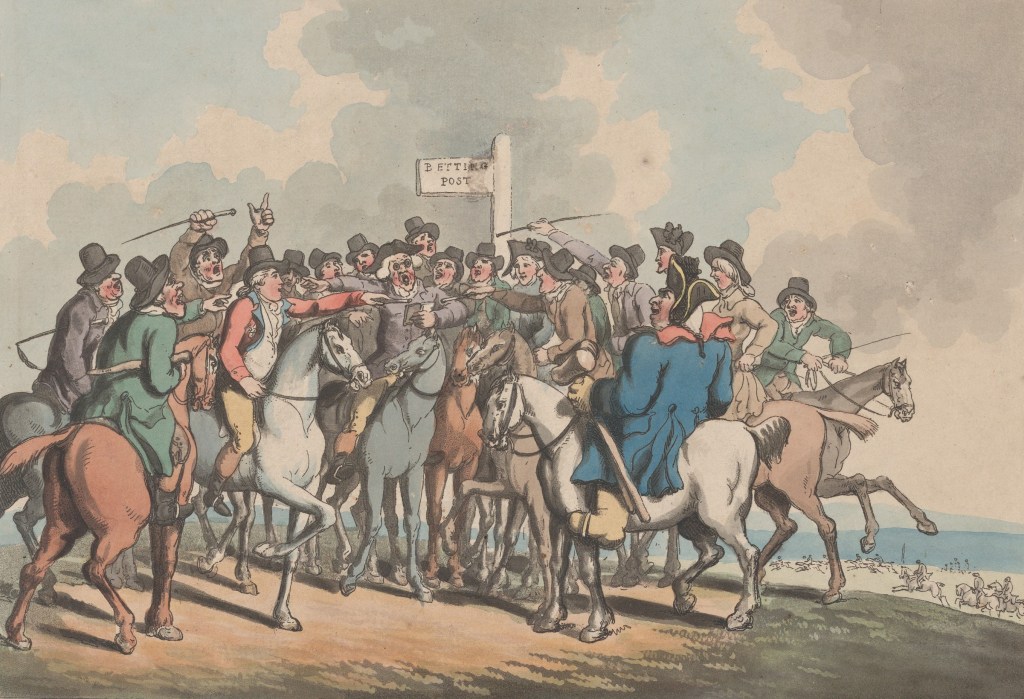
Alford played a central role when it came to livestock, including horses. Newspapers frequently mention the race days and they were clearly a draw for the town. Horses were inspected in allocated tavern yards before the races. Selected (subscribing) inns received deposits and formalised entries. On race days the inns hosted cockfighting in the mornings and assemblies in the evenings.
Long lists of men, emboldened by drink, signed the rolls to join the militia. While fairs brought good trade, dubious women and pick pockets to the town.
The taverns had an official capacity too, holding meetings for associations and the creditors of bankrupts along with auctions of all kinds. Inquests, Post Masters and Excise officers, all found their place at local inns.
The Inn keepers

The law required that to become a licensed innkeeper a bond must be provided, along with someone to vouch for the applicant’s good character. In reality records show that the majority of licensees provided surities for each other, most likely a situation arising from convenience as they all attended the quarter sessions on the same day, and for the same purpose.
As with the marriage records of the mariners, the documents reveal a familiar community among the licensees. Many stood surities for the same person over many years. When a landlord died his widow frequently continued as the licensee.
The most revealing documents are those of licensees who are new to the trade or the area, they frequently contain more genuine surities, a character reference is unlikely for someone unfamiliar. This is worth keeping in mind when looking at the Stag’s Head.
Failure to keep an orderly house would result in the suspension or denial of a license.
Keggy Buffham’s Beerhouse
The first skeletons to be found in numbers were at Buffhams beerhouse in 1868. Joseph Buffham was a glover and breeches maker who owned his premises and had traded in Alford Market Place for many years, initially with no mention of a beer house. The 1841 Census captures him, aged 70, with his daughter Elizabeth, aged 40, and her sister Maria, aged 35. No occupation is shown for the two women of the house. The earliest mention found (to date) of a Beer House in connection to the Buffhams is in Pigot’s 1841 directory. The presence of large numbers of animal bones may have been connected to the glove trade as not all glovers brought in leather. In 1848 Eliza Buffham was found guilty of assaulting Ann Richardson, a servant, in the street. The full history of the “ancient thatched cottages” is unclear but connections to general criminal behaviour seem likely.
The Stags Head

When the skeletons were unearthed at The Hornes stables in 1878 the time of their burial was thought to be around seventy years before. These stables had been erected in the early 1800s, reportedly the position of the remains led to the conclusion that they could only have been placed there after the completion of the building. In November 1805 The Stags Head Inn was offered for sale, there was no mention of newly built stables in the advert.
An interesting new occupant arrived in the first ten years of the century but situation of the previous owner also appears complex. Interested parties were informed that they would be show around by Martin Wilkinson, tennant ( the father of our 19th century storyteller). The owner of the premises being a Grimsby man, Richard Fishwick. This seemed a curious situation. Richard Fishwick was a successful draper in Grimsby, he was 25 years old and about to marry Mary Ann Mumby of Stallingborough.
Richard Fishwick was born in Belleau baptised in September 1779, his father had died before he was two years old. Richard senior, husband of Susanna, was born in Belleau in 1722 and is buried there along with three of their children, all of whom died in infancy. 18 months later in February 1783 Susanna Fishwick, widow, married Robert Harrison of Gayton and the couple settled in Saltfleet. It is unclear how the Stag’s head came to be in the ownership of Richard Fishwick (Jnr), it may have been that the premises and associated land were inherited from his father. Robert Harrison may have looked after the premises for his step son, or a local solicitor may have overseen the premises.
The connections with Saltfleet and Belleau are interesting here raising more possibilities for links with free trade. That said Belleau history reveals ties in land ownership with Salfleet too. Labourers could easily have worked between the two areas on the same estate.
In 1807 Samuel Stephenson first appears as a licensee in Alford, the new landlord of the Stag’s Head Inn, his surity was provided by Thomas Frow. The same Thomas Frow who stood witness at a Wilyman wedding. In 1812 Richard Fishwick died at the age of 32, on 12th March 1813 a land sale confirms that he owned land at Thoresthorpe, the occupant when sold was Samuel Stephenson.
Samuel Stephenson remained landlord of at the Stag’s Head until his death in 1850. The name is a common one which has caused great difficulty in tracking down his roots and connections. An 1835 poll book confirms that he actually owned the premises from that point at least.
As yet little else is known about Samuel Stephenson and his wife Jane apart from an intriguing diary entry by Alford diarist Robert Mason when they died. The couple passed away within a few days of each other and received the customary entry in Mason’s diary:
The above pair had lived together near fifty years, without God and, without hope in the world, and died in the same condition. When advised in his dying moment to sue for mercy he exclaimed it is too late and cursed and swore almost to the last. I never saw either of them at a place of divine worship in my life.
They had accumulated a considerable portion of this world’s goods. He had an awful end, crying take that great man from my bedstead.
Robert Mason’s diary entry was 28 years before the skeletons were found. It does open up the possibility that Samuel Stephenson was aware of those bodies buried in his stable for years.
Interestingly prior to 1846 Samuel Stephenson’s son held tenure of an “old established and well accustomed coal yard, house and premises lying close to the opening at the shore in Chapel. Alford trade directories include Samuel Stephenson (Jnr), ironmonger and coal merchant in Alford. Clearly carts were bringing coal from that gap into Alford.
The Three Tuns
One other old inn which is deserving of attention in connection to the skeletons is the Three Tuns.
Various landlords of the Three Tuns Inn appear among early Alford licensees in quarter sessions documents from 1792 to 1828. Trade directories list the inn and associated landlords until 1842. The Buffham family are not associated with the Three Tuns in any of these records. The tavern stood in the Butter Market, a location label which was applied to Buffham’s old cottages, the exact boundaries of this market area are unclear.

Auction details in 1819 show the Three Tuns was a large premises. At that time, the property included a brew house, stable, granary and other outbuildings. Through the 1820s and 30s this tavern was in the hands of a horse dealer but also continued to trade as the Three Tuns.
When considering the market place area it is hard to rid ourselves of the existing buildings. It is possible that this premises covered part of the area now cobbled. It may have been connected to Buffham’s cottages, or they may have inhabited part of it in the 1840s. Skeletons were found beneath Buffham’s cottages(1868) beneath the phone boxes, now seating (1949) and reportedly when excavating around the fountain.
The area around Buffham’s cottages was the site of many improvements from the 1840s onwards. The stocks and an old prison had been located in this area for decades. The lock up in Occupation Road was not agreed upon until 1844. There are a lot of unknowns which could have a factor on the skeletons in this area. The markets and fairs attracted a lot of farmers, dealers and hardened criminals to the inns, not all of them made it home.

 About Alford