
The serialised version of Smuggling Times and the truth behind the tales
A Georgian Ball
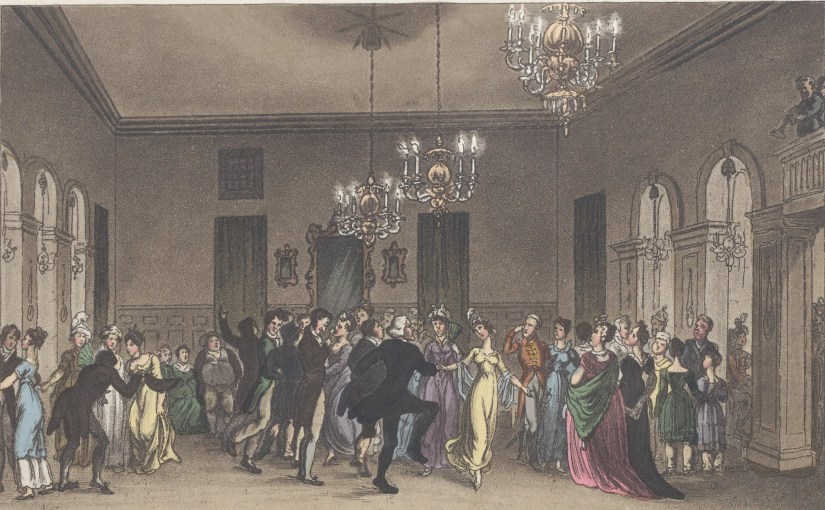
In October 1785 local society gathered at the Windmill Inn for the widely anticipated Ball and Card Assembly. Alford Market Place must have been a glorious sight as the coaches arrived, pulling up outside the inn for the occupants to alight before moving away to await the return journey. Stewards ensured that only those who qualified could gain entry.

A contemporary report reveals the scenes inside the Assembly Rooms.
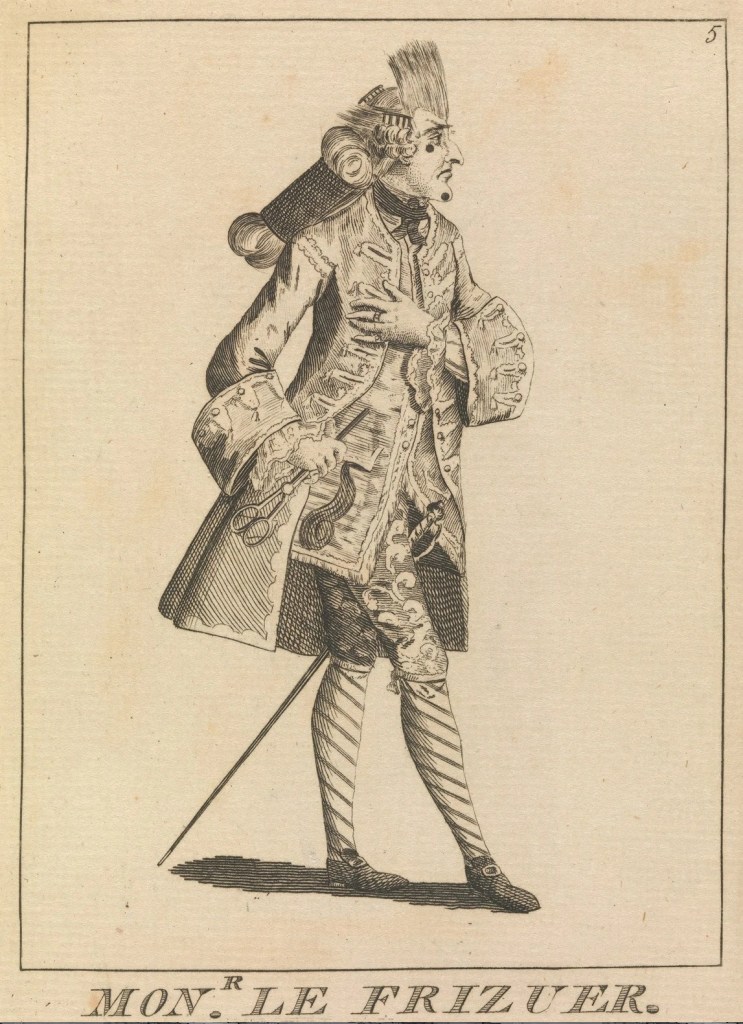
Here a lady puffing and powdering in one end of the gallery, only concealed by clouds of the frizeurs raising; at the other [end] two or three tailors assembled measuring gentlemen for some article of their dress they had unfortunately overlooked, with a thousand other laughable circumstances attending the hurry of mantuamakers, milliners, tailors and hair dressers, running about in confusion.
The greatest part of the company being assembled in two rooms … the ballroom at the appointed hour was thrown open, instantly the orchestra played God Save the King with a solemnity that added force to the novel and delightful sensations of surprise felt and expressed by the company.

The organisers were well acquainted with the grand regency balls in London, Brighton and elsewhere, no effort had been spared on the Alford décor. Scenes of a temple and ornamental pillars created the appearance of a semi circular recess. The area surrounding the dance floor was adorned with … wreaths of flowers hung in rich festoons around the cornice … orange roses and carnations were combined and tied up with large pink bows of textile that appeared like broad ribbons. The wax lights were numerous and brilliant flowing over the pediment and chimney piece, over each of the chandeliers was a fixt wheel bound with leaves and flowers. The most enchanting view of all was declared to be that of the orchestra. On a raised platform each musician sat amidst pillars connected by arches of evergreens and flowers.
The long and detailed report continues to describe the assembly, there were card tables in profusion; upon opening the Minuets began immediately; country dancing followed, tea was served at 11pm, then dancing and cards continued until the company of around 250 people broke up at 8am. The whole thing was declared a great success, the writer suggesting it was as well managed as those in France “They do manage these matters much better in France and we do well to imitate a little”, he would shortly have grounds to revise that opinion.

Closer inspection reveals that even a prestigious event such as this ball was closely connected to the issues fuelling Free Trade.
The premise of the Ball had been to promote Lincolnshire Stuff, (textiles created from scratch in Lincolnshire) and to support the Schools of Industry set up locally to train the children of the poor to spin and weave. A ban on wool exports, to appease English weavers, ensured a glut of wool, low prices for farmers and led to a flourishing trade in illicit exports,particularly as English wool was much sought after on the continent. The assembly was the brainchild of the Reverend Gideon Bouyer of Willoughby and Theddlethorpe, who was very well placed to understand the suffering of the poor and the temptation of the activities along the coast.
The Windmill Inn housed not only the Assembly Rooms but also the Excise office where the infamous Thomas Paine had been employed in August 1764 to watch the Smugglers of Alford. Paine had been dismissed the following year, several others had followed, all equally eager to escape the despised role.
In 1789 the Excise Board embarked on a Country wide inspection of officer workloads, seeking to reduce costs and aiming to remove six hundred men by closing small offices. Despite the circumstances behind their investigations, Excise Board inspectors agreed that the situation in Alford demanded the appointment of an additional officer.

In the September of 1789, the press announced that, under the Patroness of Lady Banks, the Lincolnshire Stuff Ball would now be held in the Assembly Rooms, above the hill, in Lincoln. Those who had subscribed believing it would be in Alford were given 24 hours to withdraw. The ball did not return to Alford, with turmoil at home and revolution in France the privileged chose to stay away from the countryside.
As the coaches left Alford on that cold November morning after the first ball, the tired dancers are unlikely to have paid much attention to their surroundings. The recently burnt out building of the George Inn, home to cockfights on racing days, may have drawn some comment but little else would have been of interest. Possibly the ladies were full of chatter about the night before, the men considering the beauties with whom they danced, or broodily regretting staying too long at the card tables.
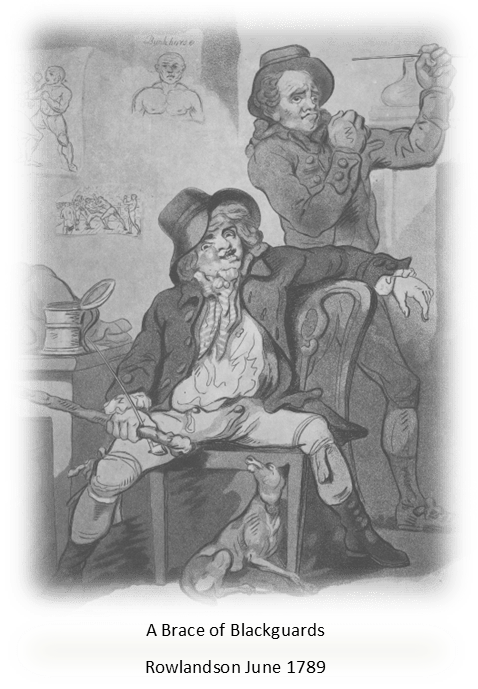
Some in the town would have watched the coaches depart with more than a passing interest. Those ruthless characters who got their hands dirty, who preferred to work in the shadows, they were the link between coast and country, they were the men who buried the bodies.
The Dead Do Not Stay Buried
In the late 1800s, when the dead began to make their presence known, widespread reporting in local publications provoked a lot of debate. The remains were seen as confirmation of tales from previous years and the whispers handed down the generations began to be shared more widely. The same anecdotes were frequently resurrected by newspapers in the twentieth century, forming the foundation of many stories which remain in circulation today.

 About Alford